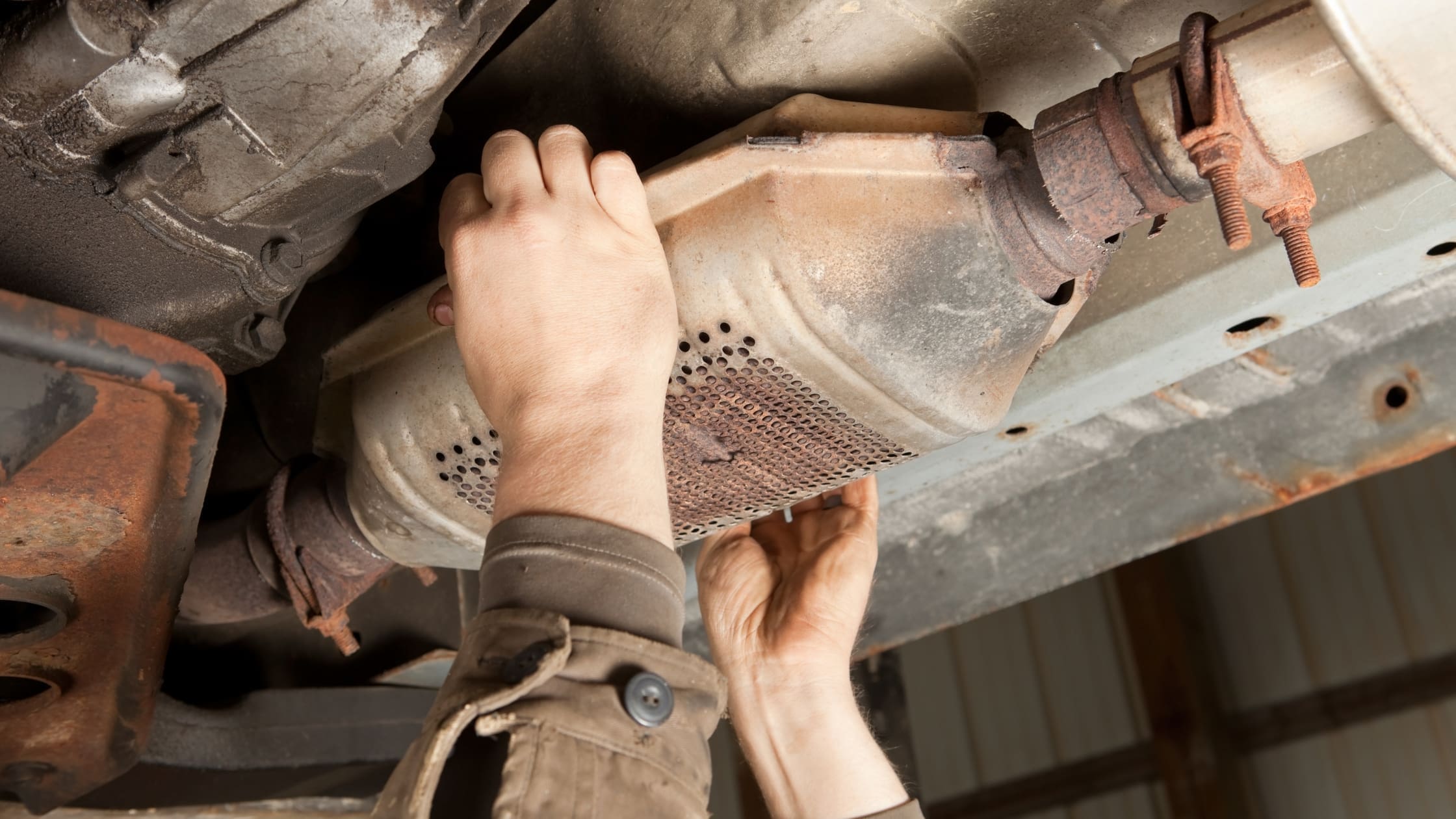
A catalytic converter is a crucial component of a vehicle’s exhaust system, designed to reduce harmful emissions produced by the engine. It plays a significant role in protecting the environment by converting toxic gases into less harmful substances before they are released into the atmosphere.
How Does a Catalytic Converter Work?
The catalytic converter uses a catalyst, which is usually made from precious metals like platinum, palladium, and rhodium, to facilitate a chemical reaction. This reaction transforms hazardous pollutants into less harmful emissions. The main processes involved are:
- Oxidation: This process converts carbon monoxide (CO), a poisonous gas, into carbon dioxide (CO2), which is less harmful.
- Reduction: Nitrogen oxides (NOx), contributors to smog and acid rain, are reduced to nitrogen (N2) and oxygen (O2).
- Hydrocarbon Combustion: Unburned hydrocarbons, which contribute to smog formation, are converted into carbon dioxide and water vapour.
Importance of Catalytic Converters
Catalytic converters are essential for meeting environmental regulations and reducing the ecological footprint of vehicles. They help in:
- Reducing Air Pollution: By converting harmful gases, they significantly decrease the amount of pollutants released into the environment.
- Improving Air Quality: With fewer emissions, the air quality in urban areas improves, leading to better health outcomes for residents.
- Complying with Regulations: Vehicles equipped with catalytic converters meet stringent emission standards set by governments worldwide.

Signs of a Failing Catalytic Converter
A failing catalytic converter can lead to increased emissions and decreased vehicle performance. Common signs include:
- Reduced Engine Performance: A clogged converter can restrict exhaust flow, causing the engine to perform poorly.
- Increased Emissions: If the converter is damaged, it may not effectively reduce emissions, which can lead to failing an emissions test.
- Rattling Noises: A damaged converter might produce unusual noises due to broken internal components.
In conclusion, catalytic converters are vital for reducing vehicle emissions and protecting the environment. Regular maintenance and timely replacement of a failing converter are essential to ensure your vehicle remains eco-friendly and compliant with emission standards.
If you need your exhaust system inspected or checked over by a professional, please don’t hesitate to contact your local Hi-Speed centre.