When winter arrives, many drivers experience the same frustrating problem: turning the key (or pressing the start button) and hearing the car struggle — or fail — to start. Cold mornings are tough on vehicles, and understanding why can help you avoid breakdowns, protect your battery, and keep your car running smoothly through the colder months.
In this article, we explain the main reasons your car might have trouble starting in the cold and what you can do to prevent it.
1. Cold Weather Reduces Battery Power
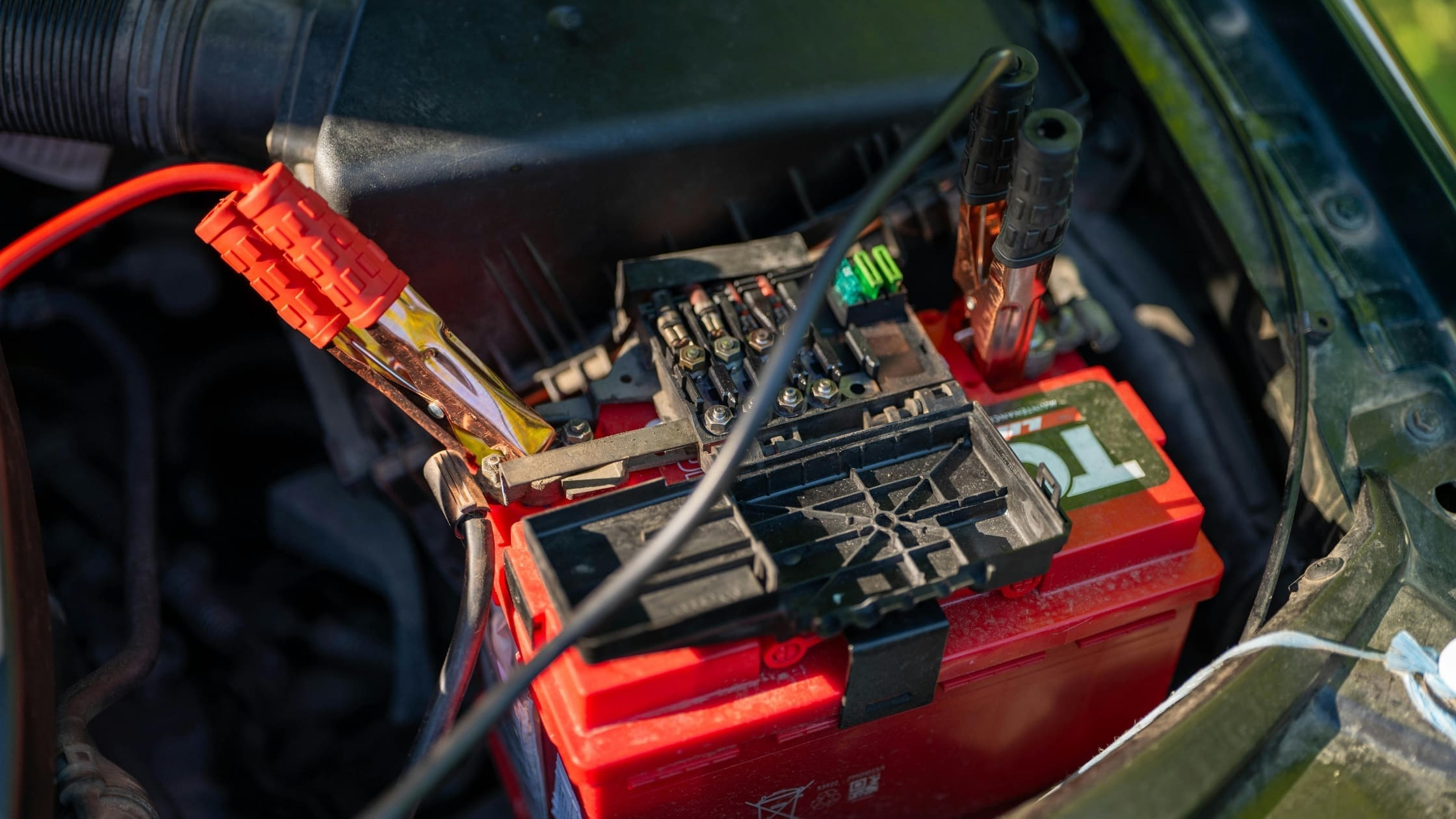
Car batteries are one of the most common causes of cold-start issues. As temperatures drop, the chemical reactions inside the battery slow down, reducing the amount of power available to start the engine.
- A battery can lose up to 35% of its power at 0°C.
- Older or weaker batteries struggle even more.
Symptoms:
- Slow cranking
- Dim interior or dashboard lights
- Clicking sounds when starting
Solution:
A quick battery test can tell you if yours is losing strength. If it’s more than 3 years old, it may be time to replace it before it lets you down.
2. Engine Oil Thickens in Low Temperatures
Oil becomes thicker in the cold, which makes your engine harder to turn over. This puts extra strain on the battery and starter motor.
If your oil is old, low-quality, or overdue for a change, it will thicken more quickly and worsen the problem.
Symptoms:
- Slow startup
- Engine feeling “heavy” when turning over
- Louder engine noise on cold starts
Solution:
Regular oil changes and using the correct grade of oil help ensure smooth starts, even in freezing temperatures.
“A car that struggles to start in the cold is often giving early warning signs.”
3. Cold Temperatures Affect Fuel Vapour
Petrol engines rely on fuel vapour for ignition. Cold air makes vaporisation slower, meaning the fuel mixture isn’t as effective when the engine tries to fire.
Diesel engines can struggle too, as colder temperatures affect fuel flow and glow plug performance.
Symptoms:
- Multiple attempts needed to start
- Engine stalling shortly after starting
- Rough idle
Solution:
Keeping your car well-maintained and ensuring your fuel system is clean helps improve cold-start performance.
4. Glow Plug Issues (Diesel Vehicles)
Diesel engines rely on glow plugs to preheat the combustion chamber. In cold weather, weak or failing glow plugs make it harder for the engine to ignite.
Symptoms:
- Long cranking
- White smoke on startup
- Glow plug light stays on longer than usual
Solution:
Replacing worn glow plugs improves starting, fuel efficiency, and emissions.
5. Moisture and Condensation
Cold, damp weather can cause moisture buildup in electrical connections, fuel systems, and sensors, leading to intermittent starting issues.
Symptoms:
- Inconsistent starts
- Warning lights appearing briefly
- Engine misfiring
Solution:
Regular servicing and keeping your vehicle in good condition helps prevent moisture-related issues.
How Hi-Speed Tyres Can Help
At Hi-Speed Tyres, we can help identify and fix the issue before it becomes a breakdown. Our winter-start check can include:
- Battery testing
- Tyre and pressure checks
- Oil and fluid level inspection
- Visual inspection of ignition components
- Advice on winter-ready maintenance
Stay prepared, stay safe, and make sure your car is ready for the colder months. Contact us or drop into your local Hi-Speed Centre if you need any help.