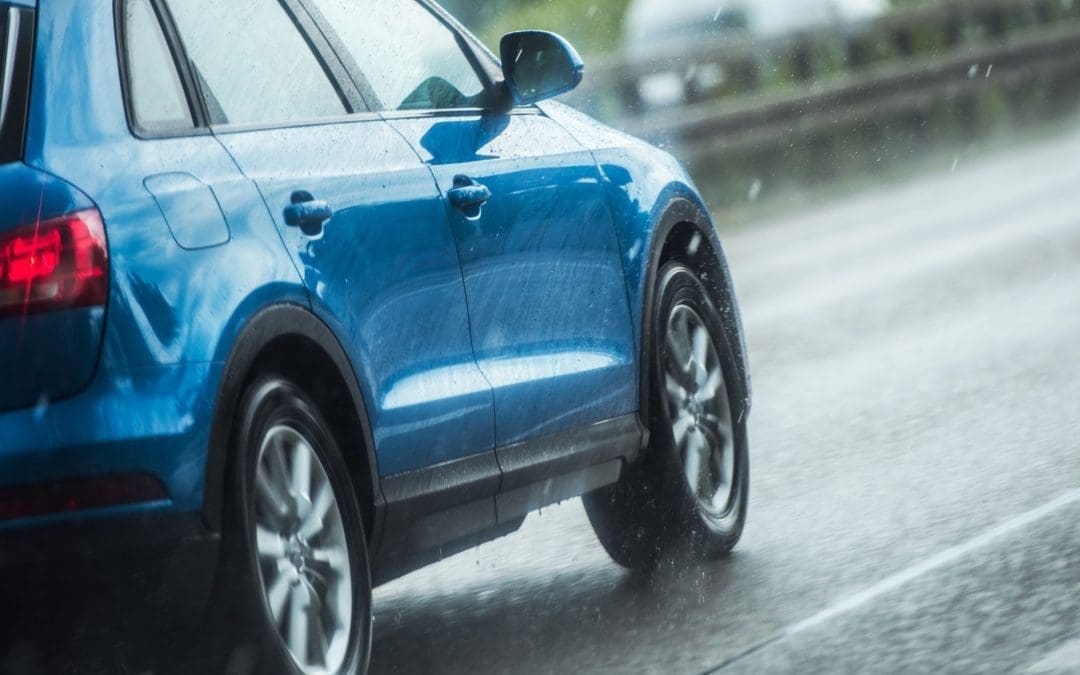
Your tyres are the only part of your vehicle that makes direct contact with the road, making them one of the most important safety components on your car. While many drivers only think about their tyres when they need replacing, changing weather conditions throughout the year can have a major impact on tyre performance, handling, braking distances, and overall road safety.
At Hi-Speed Tyres & Exhausts, we regularly help drivers stay safe in all weather conditions. Understanding how your tyres perform in different environments can help you make better decisions and avoid unnecessary risks on the road.
Driving in Hot Weather
Many people associate tyre problems with winter conditions, but hot weather can be just as challenging.
As temperatures rise, the air inside your tyres expands, increasing tyre pressure. Over-inflated tyres can reduce road contact, affect handling, and cause uneven wear. Long motorway journeys, hot road surfaces, and heavy holiday traffic can also place additional stress on tyres.
During warmer months, drivers should:
- Check tyre pressures regularly
- Inspect tyres for cracks or damage
- Ensure tread depth remains well above the legal minimum
- Avoid overloading the vehicle before long journeys
Properly maintained tyres provide better grip, improved fuel efficiency, and safer braking distances during summer driving.
Wet Weather and Heavy Rain
British weather is famously unpredictable, and wet roads are one of the most common driving hazards throughout the year.
When roads are wet, tyres must disperse water effectively to maintain contact with the road surface. Worn tyres struggle to clear water efficiently, increasing the risk of aquaplaning, where the tyre loses contact with the road altogether.
To stay safe in wet weather:
- Ensure tread depth is above the legal limit of 1.6mm
- Consider replacing tyres before they reach the minimum limit
- Reduce speed during heavy rain
- Check tyre condition regularly
Many tyre experts recommend replacing tyres once tread reaches 3mm, as wet-weather performance can decrease significantly below this level.
Cold Weather and Winter Driving
As temperatures drop, tyre rubber naturally becomes harder and less flexible. This can reduce grip and increase braking distances, particularly on frosty mornings.
Winter conditions often bring:
- Reduced traction
- Longer stopping distances
- Increased risk of skidding
- Poor performance on snow and ice
Drivers who regularly travel in colder regions or rural areas may benefit from winter tyres, which are specifically designed to remain flexible in low temperatures and provide improved grip on cold road surfaces.
Driving in Snow and Ice
Snow and ice create some of the most difficult driving conditions motorists can face.
Even vehicles equipped with modern safety systems rely heavily on tyre grip to accelerate, steer, and stop safely. Standard tyres can struggle when road surfaces become covered with snow or ice.
If you regularly drive in severe winter conditions:
- Check tyre tread depth frequently
- Drive smoothly and avoid harsh braking
- Maintain greater stopping distances
- Consider seasonal tyre options where appropriate
Preparation before winter arrives can make a significant difference to vehicle safety.
Why Tyre Pressure Matters in Every Season
Tyre pressure changes naturally as temperatures rise and fall. Under-inflated tyres can lead to:
- Increased fuel consumption
- Uneven tyre wear
- Reduced handling performance
- Greater risk of tyre failure
Over-inflated tyres can also affect grip and braking efficiency.
Checking tyre pressures at least once a month and before any long journey is one of the simplest ways to improve both safety and tyre lifespan.
Regular Tyre Checks Can Save You Money
Many tyre-related problems can be identified early through routine inspections. Checking for:
- Uneven wear
- Cuts and cracks
- Bulges
- Embedded objects
- Low tread depth
can help prevent more expensive repairs and reduce the likelihood of breakdowns.
Regular tyre maintenance not only improves safety but can also extend tyre life, improve fuel economy, and provide a more comfortable driving experience.
Stay Safe Whatever the Weather
From summer heatwaves to winter frost, your tyres play a crucial role in keeping you safe on the road. Taking a few minutes each month to check their condition can help prevent accidents, improve vehicle performance, and give you greater confidence behind the wheel.
If you’re unsure about the condition of your tyres, visit your local Hi-Speed Tyres & Exhausts centre. Our experienced team can inspect your tyres, check pressures, and help ensure your vehicle is ready for whatever the British weather has in store.