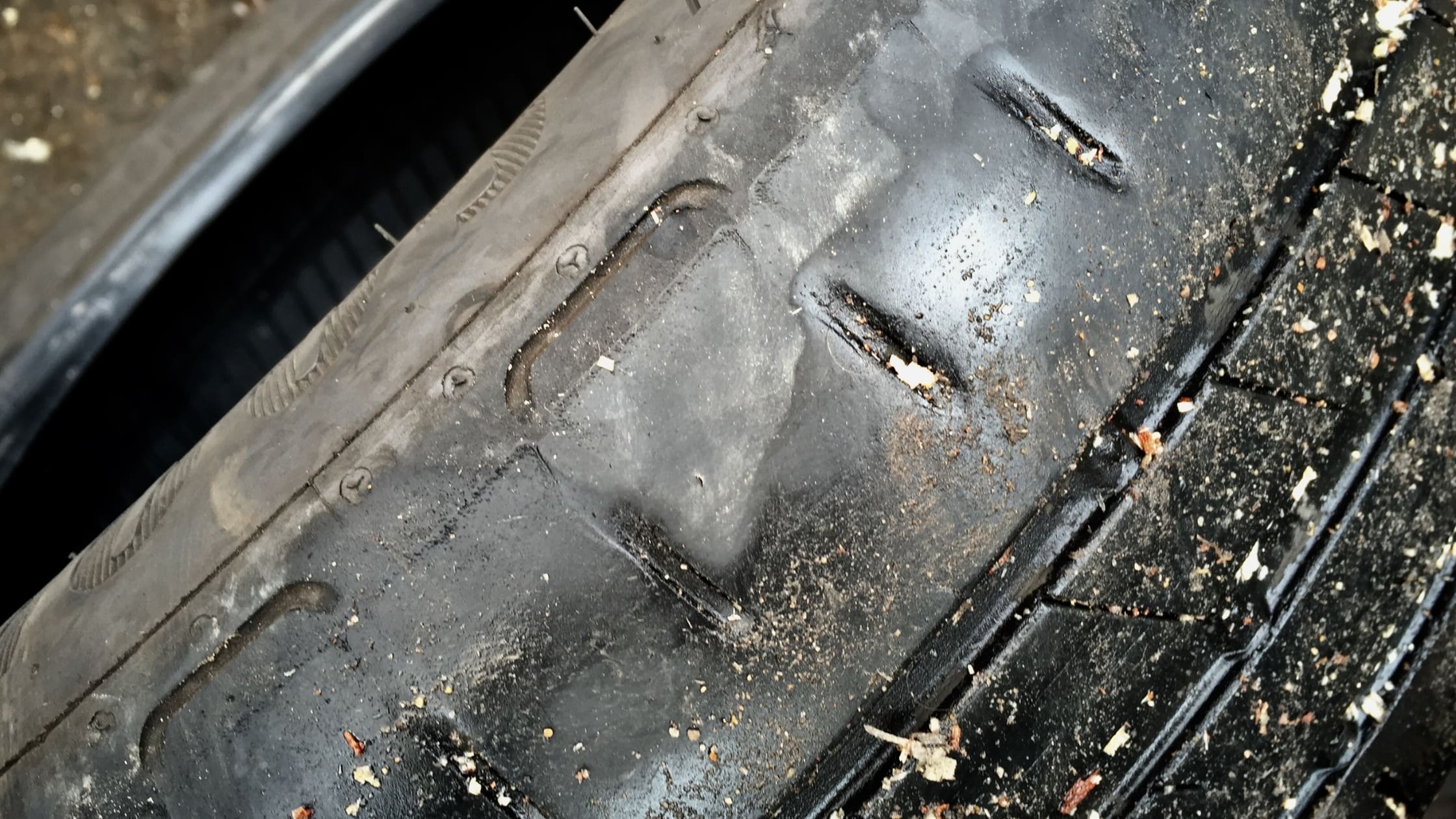
When it comes to vehicle maintenance, ensuring your tyres are in good condition is crucial for safety and performance. Understanding when to change your tyres involves considering their age, tread wear, and overall condition.
Age of Tyres
Tyres naturally degrade over time due to various factors, including exposure to heat, sunlight, and environmental conditions. Most tyre manufacturers recommend replacing tyres every 6 to 10 years, even if they appear to have sufficient tread remaining. This guideline accounts for the gradual breakdown of the rubber compounds, which can affect the tyre’s performance and safety.
How to Determine Tyre Age
To determine the age of your tyres, you can check the DOT (Department of Transportation) code on the sidewall. This code includes a four-digit number indicating the week and year the tyre was manufactured. For example, a code of “3316” means the tyre was made in the 33rd week of 2016. 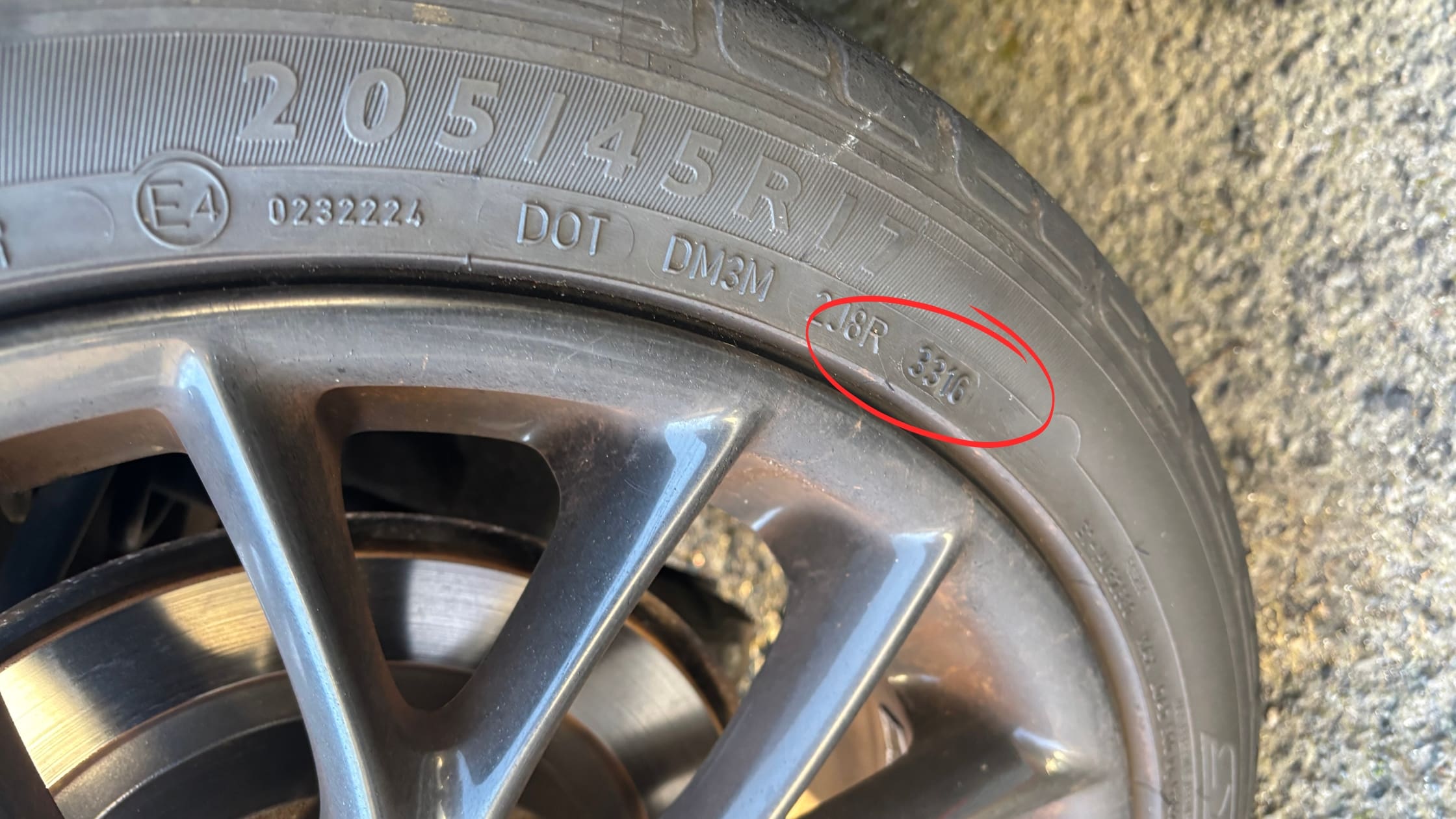
Tread Wear and Depth
While age is a critical factor, tread wear is equally important in assessing tyre health. The tread is the part of the tyre that makes contact with the road, providing traction and stability.
Checking Tread Depth
- Penny Test: Insert a penny into the tread grooves with Lincoln’s head upside down. If you can see the top of Lincoln’s head, the tread is too worn, and the tyres should be replaced.
- Tread Depth Gauge: Use a tread depth gauge to get a more precise measurement. Most tyres should be replaced when the tread depth falls below 2/32 of an inch.
Signs You Need New Tyres
In addition to age and tread wear, be vigilant for signs that indicate it’s time to replace your tyres:
- Cracks or Bulges: Visible cracks, cuts, or bulges on the tyre sidewall are signs of damage.
- Vibration: Excessive vibration while driving may indicate tyre issues or misalignment.
- Uneven Wear: Uneven tread wear patterns could suggest improper inflation, alignment issues, or suspension problems.
Summary
Regularly inspecting your tyres for age, tread wear, and damage is essential for maintaining vehicle safety and performance. While the general recommendation is to replace tyres every 6 to 10 years, always consider the specific conditions of your tyres and consult with a professional if in doubt. Prioritising tyre health can enhance your driving experience and ensure safety on the road.