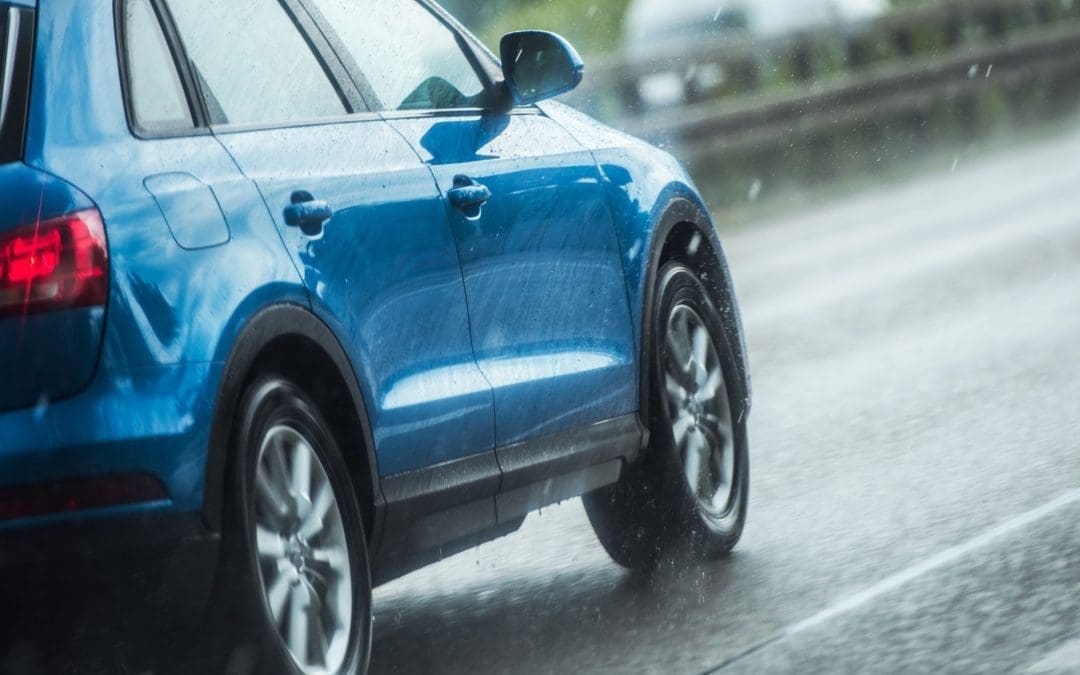
When it comes to vehicle safety, nothing is more critical than your brakes. Whether you’re navigating busy city streets or cruising on the motorway, a well-maintained braking system ensures you stay in control at all times. At Hi-Speed Tyres, we believe understanding your brakes is just as important as maintaining them—so here’s a complete guide to help you stay safe on the road.
What Do Brakes Actually Do?
At their core, brakes are designed to slow down or stop your vehicle by converting kinetic energy (motion) into heat through friction. When you press the brake pedal, a series of components work together to apply pressure to your wheels, bringing your car to a controlled stop.
Key Components of a Braking System
Understanding the main parts of your braking system can help you identify issues early:
- Brake pads: These press against the brake discs to create friction.
- Brake discs (rotors): Flat metal discs that rotate with your wheels.
- Brake calipers: House the brake pads and apply pressure to the discs.
- Brake fluid: Transfers force from your foot on the pedal to the brakes themselves.
- Brake lines: Carry the brake fluid throughout the system.
Signs Your Brakes Need Attention
Brakes don’t usually fail without warning. Watch out for these common signs:
- Squeaking or grinding noises – Often indicates worn brake pads.
- Vibrations when braking – Could mean warped brake discs.
- Soft or spongy brake pedal – May suggest air in the brake lines or fluid issues.
- Car pulling to one side – Could indicate uneven brake wear or a sticking caliper.
- Longer stopping distances – A clear sign your braking performance has declined.
If you notice any of these symptoms, it’s important to get your brakes checked as soon as possible.
Why Regular Brake Maintenance Matters
Ignoring brake issues can lead to more expensive repairs—and more importantly, compromise your safety. Regular inspections help:
- Extend the life of your braking components
- Maintain optimal stopping performance
- Prevent costly damage to discs and calipers
- Ensure your vehicle remains roadworthy
How Often Should You Check Your Brakes?
As a general rule, your brakes should be inspected at least once a year or every 10,000–12,000 miles. However, this can vary depending on your driving style and conditions. City driving, for example, tends to wear brakes out faster due to frequent stopping.
Tips to Make Your Brakes Last Longer
- Avoid harsh braking whenever possible
- Keep a safe following distance to reduce sudden stops
- Don’t overload your vehicle
- Have your brake fluid checked regularly
- Get professional inspections at the first sign of trouble
- Trust the Experts at Hi-Speed Tyres
Your brakes are your vehicle’s most important safety feature—don’t take them for granted. At Hi-Speed Tyres, our experienced technicians are here to provide expert brake inspections, repairs, and replacements to keep you safe on the road.
Whether you need new brake pads, disc replacements, or a full system check, we’ve got you covered with fast, reliable service.
Stay safe. Stay in control. Trust Hi-Speed Tyres for all your braking needs.