As the automotive industry rapidly evolves with the rise of electric vehicles (EVs), understanding the differences between traditional car service and EV service becomes increasingly important. While both services aim to maintain and enhance vehicle performance, they differ significantly due to the distinct technologies involved.
Traditional ICE Car Service
Traditional car service primarily focuses on vehicles with internal combustion engines (ICE). Key components and areas that are typically addressed include:
- Engine Maintenance: Regular oil changes, spark plug replacements, and timing belt checks are crucial to ensure engine efficiency and longevity.
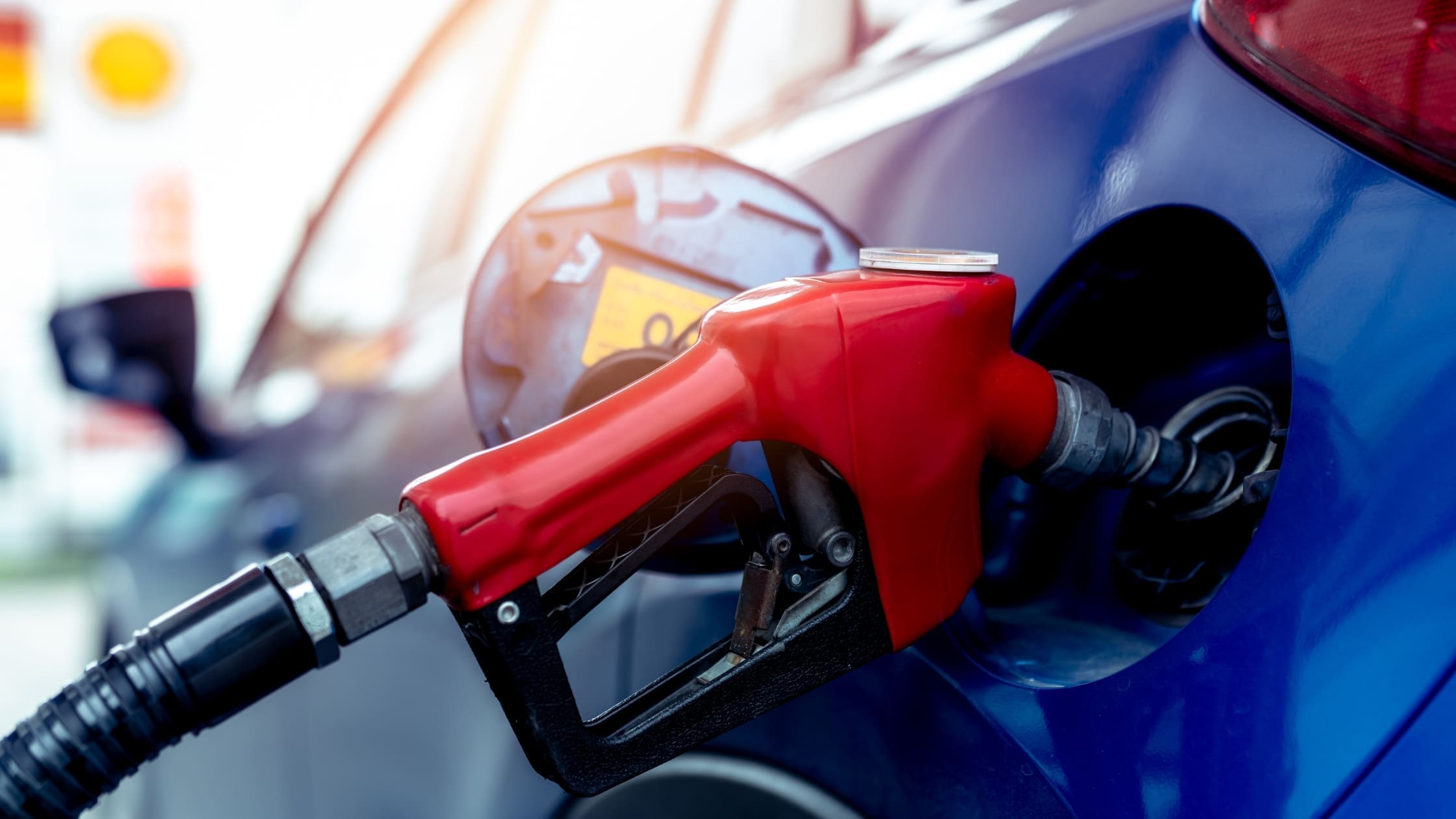
- Fuel System: This includes checking the fuel pump, fuel injectors, and filters to prevent clogs and maintain fuel flow.
- Exhaust System: Inspections for leaks, rust, or damages in the exhaust system, including the catalytic converter, are essential for emission control.
- Transmission and Drivetrain: Servicing may involve checking transmission fluid levels and ensuring smooth gear changes.
- Cooling System: Radiator and coolant checks are necessary to prevent overheating.
- Electrical Components: Battery, alternator, and starter checks ensure the vehicle’s electrical system functions properly.
EV Service
Electric vehicles, in contrast, have different components and systems that require maintenance. Key aspects of EV service include:
- Battery Health: The main focus is on the EV battery, including checks for capacity, charging efficiency, and thermal management systems to prolong battery life.
- Electric Motor: While generally requiring less maintenance, the electric motor is checked for wear and efficiency.
- Regenerative Braking System: Inspections ensure the system captures and converts energy effectively, reducing the wear on traditional brakes.
- Software Updates: EV’s often require regular software updates to enhance performance, optimize battery usage, and improve safety features.
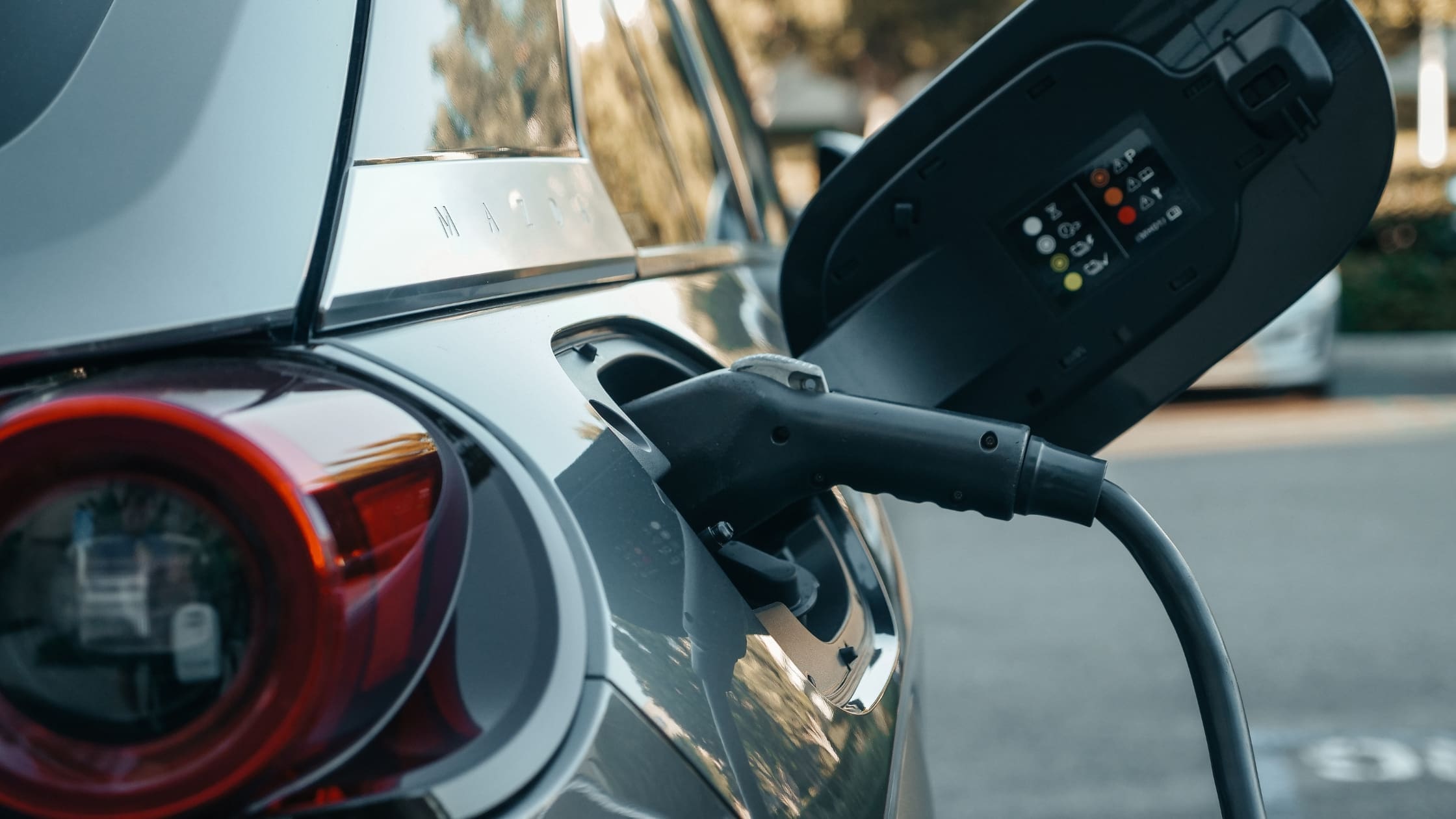
- Charging System: The charging port and cables are inspected for wear and proper functionality.
- Cooling Systems: Although different from traditional vehicles, EVs require cooling for the battery and other components to prevent overheating.
Similarities
Despite these differences, there are some overlapping maintenance tasks for both traditional cars and EVs:
- Tyre Maintenance: Regular checks for tire wear, alignment, and pressure are essential for safety and efficiency.
- Suspension and Steering: Inspections ensure smooth handling and comfort.
- Brake System: Brake pad and disc inspections are vital for safe stopping power.
- Cabin Air Filters: Replacing these filters regularly maintains air quality inside the vehicle.
Understanding these differences and similarities helps vehicle owners make informed decisions about their vehicle purchasing decisions and maintenance needs, ensuring their vehicles remain in optimal condition, whether they’re powered by petrol, diesel, hybrid or electricity.
At our Hi-Speed Port Talbot branch, we provide servicing for petrol, diesel, hybrid and full electric vehicles. Simply get in touch with the team to book in your vehicle.