A car battery plays a crucial role in the functioning of a vehicle. It is an essential component of the electrical system, providing the necessary power to start the engine and operate various electrical components within the car.
Key Functions of a Car Battery
- Starting the Engine: The primary function of a car battery is to provide the electrical current needed to start the vehicle’s engine. When you turn the ignition key or push the start button, the battery delivers a burst of electricity to the starter motor, which in turn cranks the engine and gets it running.
- Powering Electrical Components: Once the engine is running, the alternator takes over the task of supplying power to the car’s electrical systems. However, the battery continues to play a role by providing power to accessories like lights, radio, and air conditioning when the engine is off.
- Stabilising Voltage: The battery acts as a stabiliser for the car’s electrical system, smoothing out voltage spikes and dips that can occur as different components are turned on and off. This helps protect sensitive electronics and ensures the vehicle operates smoothly.
- Energy Storage: The battery stores electrical energy in chemical form, which is converted back into electrical energy when needed. This stored energy is crucial for starting the car and powering electrical components when the engine is off.
Types of Car Batteries
- Lead-Acid Batteries: These are the most common type of car batteries. They are affordable and reliable, but they require regular maintenance to ensure proper electrolyte levels.
- Absorbent Glass Mat (AGM) Batteries: These are more advanced and are designed to handle the electrical demands of modern vehicles, such as start-stop systems and a multitude of electronic devices. They are maintenance-free and have a longer lifespan.
- Lithium-Ion Batteries: Primarily used in electric and hybrid vehicles, these batteries are lightweight and have a high energy density, providing a longer range and faster charging compared to traditional batteries.
Maintenance Tips
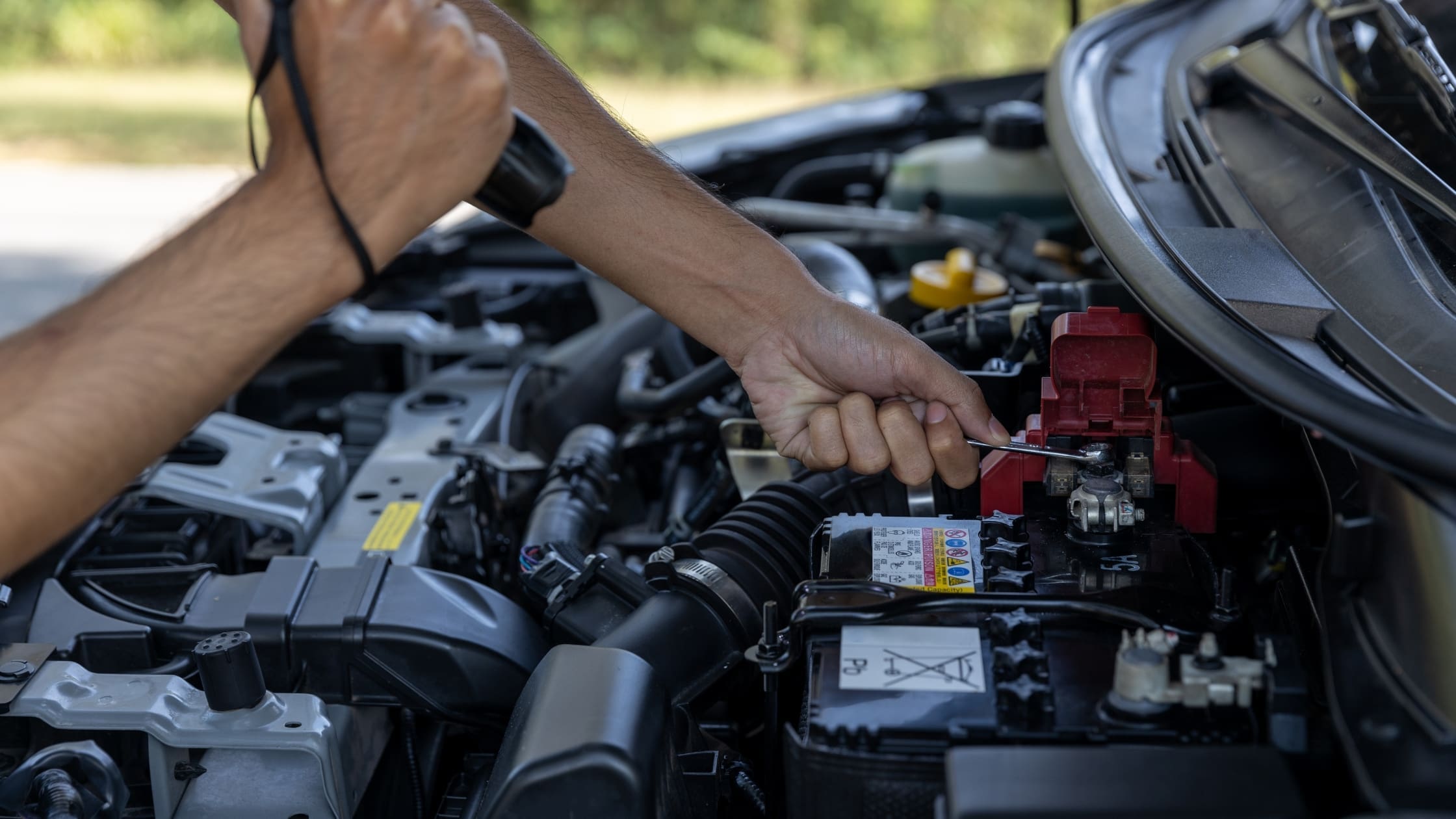
- Regular Inspection: Check the battery terminals for corrosion and ensure they are tightly connected.
- Clean the Battery: Keep the battery case clean and free from dirt and debris.
- Test the Battery: Periodically test the battery’s charge level, especially before long trips or during extreme weather conditions.
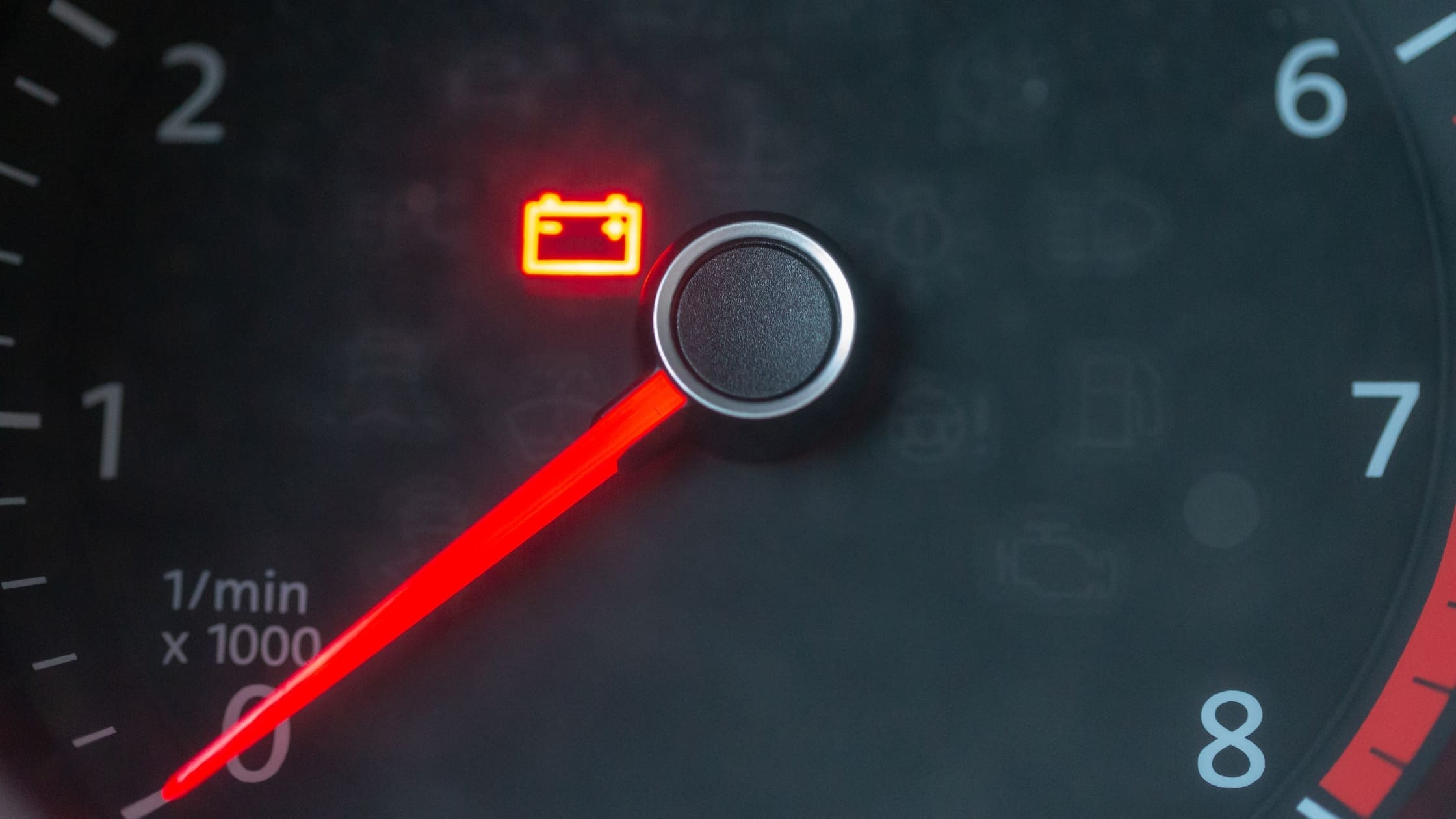
- Replace When Necessary: Car batteries typically last 3-5 years. Pay attention to signs of a failing battery, such as slow engine cranking or dim lights, and replace it when needed.
Summary
Understanding the role and maintenance of a car battery can help ensure your vehicle runs smoothly and reliably. It’s a small component, but its impact is significant in keeping your car ready to go whenever you are.
If you find that you’re having issues with your battery, pop into your local Hi-Speed centre for a battery health check.