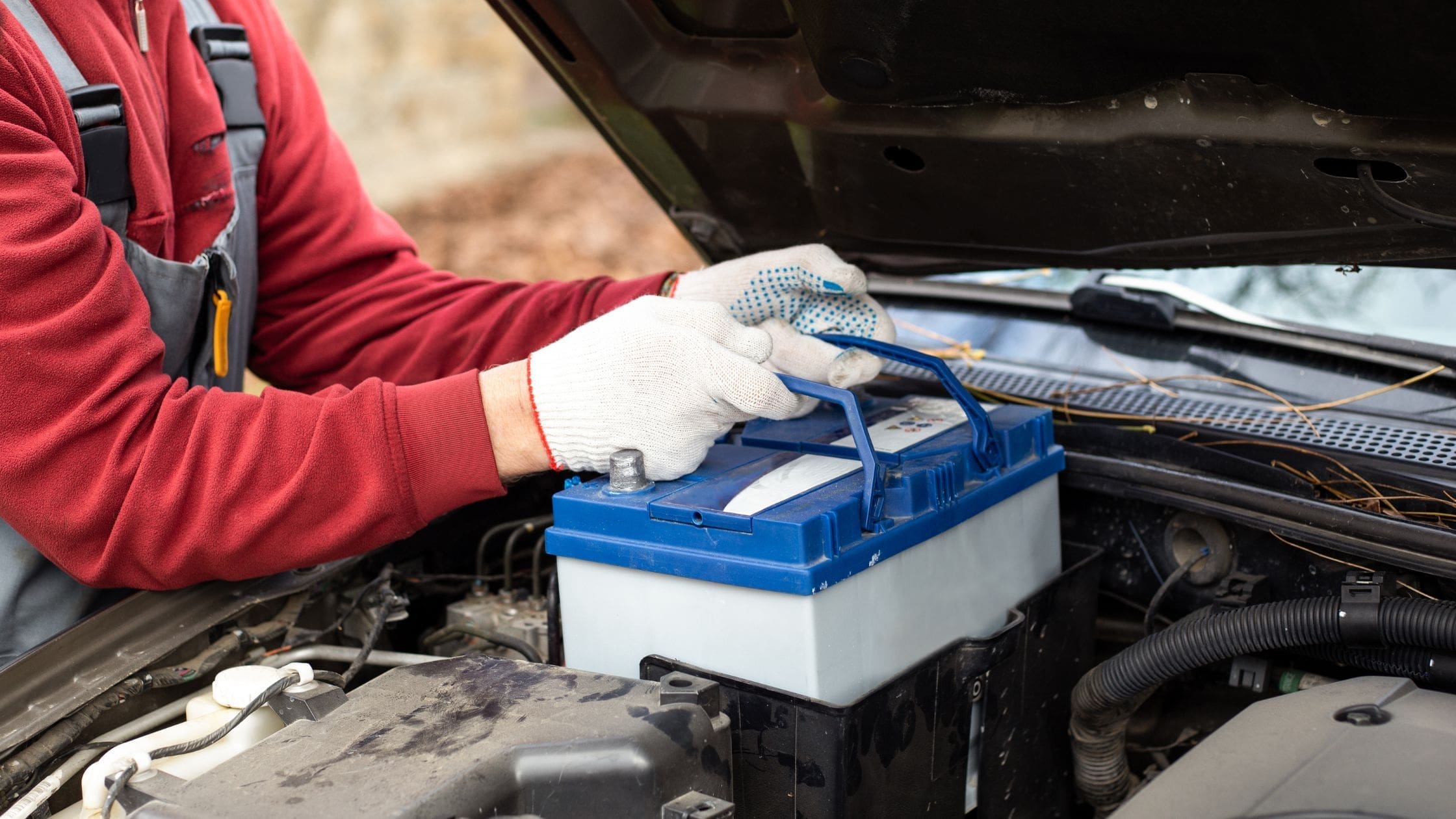
Your car battery is a crucial component of your vehicle, providing the necessary power to start the engine and operate electrical systems, particularly in the colder weather. Knowing when to replace it can save you from unexpected breakdowns. Here are some signs and symptoms to help you determine if your car battery needs replacement:
Common Signs of a Failing Battery
- Slow Engine Turn Over: If your engine turns over slowly when you start the car, it may indicate that the battery is losing its ability to hold a charge. The engine may sound labored or take longer than usual to start.
- Battery Warning Light: Most cars have a dashboard warning light shaped like a battery. If this light is illuminated, it suggests there may be an issue with the battery or the charging system.
- Swollen Battery Case: A battery case that appears swollen or bloated is often a sign of excessive heat or overcharging. This can reduce the battery’s lifespan and indicates that it may need to be replaced.
- Low Battery Fluid Level: Many car batteries have a translucent case with a visible fluid level indicator. If the fluid level is below the lead plates inside, it’s a sign that the battery should be inspected and possibly replaced.
- Age of the Battery: Car batteries typically last between 3 to 5 years. If your battery is nearing or beyond this age range, it might be time to consider a replacement, even if it hasn’t shown any other signs of failing.
Additional Symptoms
- Frequent Jump Starts: If you find yourself needing to jump-start your car more frequently, it could be a sign that the battery isn’t holding a charge effectively.
- Electrical Issues: Dim headlights, flickering dashboard lights, or malfunctioning electronic components can indicate a weak battery that can’t supply adequate power.
- Corroded Connectors: Check the battery terminals for white, ashy substances, which indicate corrosion. While cleaning might help, severe corrosion can mean the battery is nearing the end of its life.
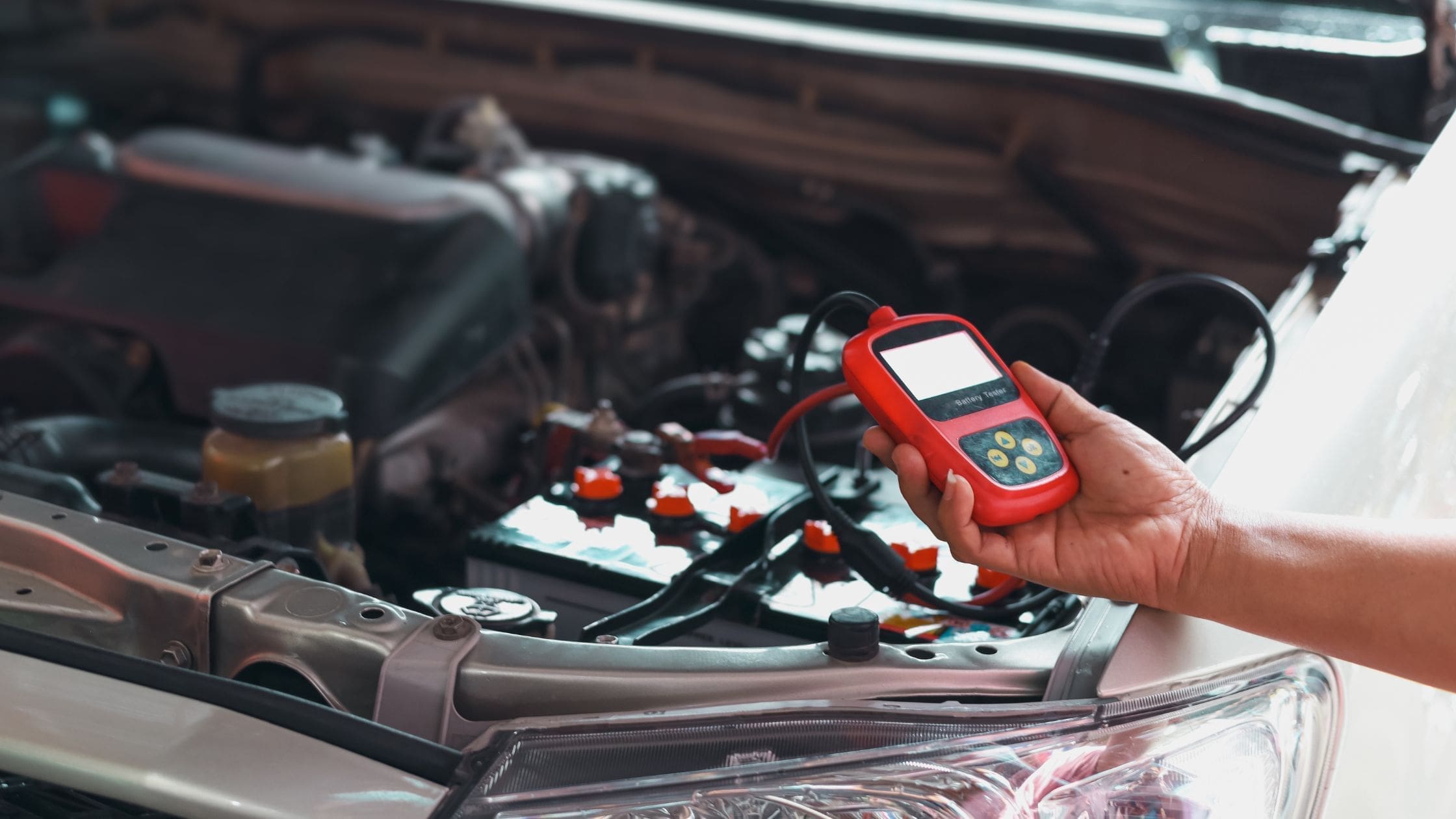
Testing Your Battery
- Voltmeter Test: Using a voltmeter, check the battery’s voltage. A fully charged car battery should read around 12.6 volts or higher when the engine is off. A reading below 12.4 volts might mean it needs to be charged or replaced.
- Professional Testing: Many auto centres offer free battery testing. This can provide a more comprehensive analysis of your battery’s health and help you decide if a replacement is necessary. You can pop into your local Hi-Speed Centre and ask for a battery safety check.
Summary
Regularly inspecting your car battery and being aware of the signs of a failing battery can prevent inconvenient breakdowns. If you notice any of these symptoms, it’s wise to test your battery and consider replacement if necessary. Remember, proactive maintenance is key to keeping your vehicle running smoothly.