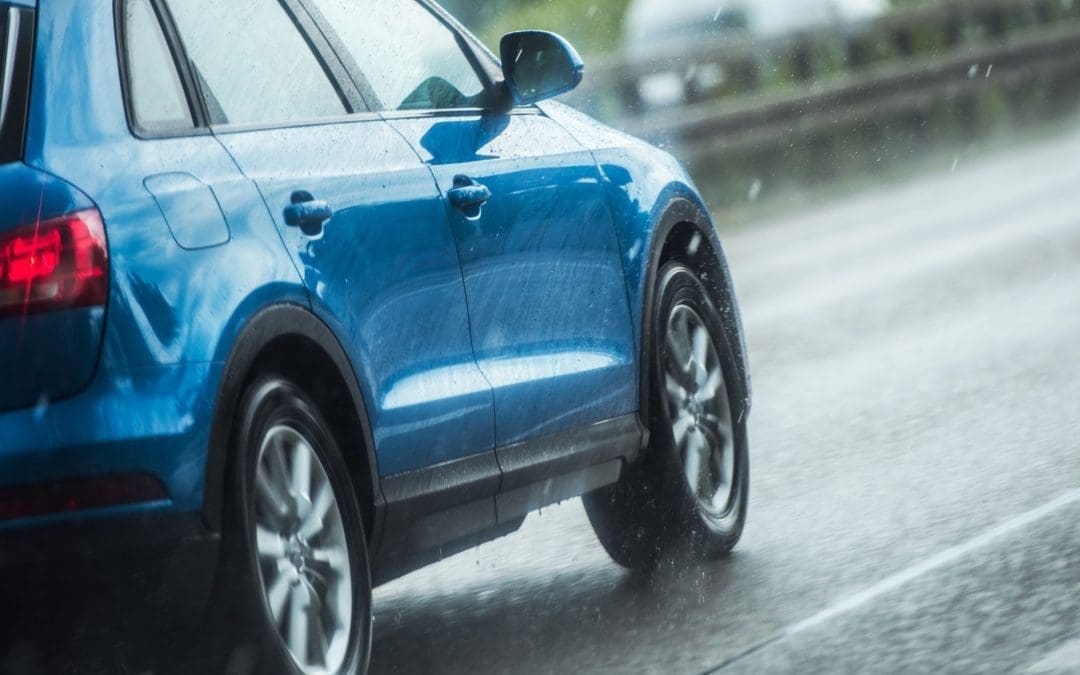
As summer comes to an end, the days get shorter, temperatures start to drop and the familiar British mix of rain, wind, fog and fallen leaves returns to our roads.
Autumn can be a beautiful time of year to drive, but changing road and weather conditions can also create additional challenges for motorists. From wet roads and slippery leaves to low sunlight and darker evenings, now is the perfect time to give your car a quick check and make sure it is ready for the months ahead.
Here are some simple checks every UK driver should consider this autumn.
1. Check your tyres
Your tyres are your car’s only contact with the road, so making sure they’re in good condition should be at the top of your autumn checklist.
Wet roads can significantly affect grip, particularly if your tyres are worn. Fallen leaves can make the road surface even more slippery, while standing water can increase the risk of aquaplaning.
Check your tyres for:
- Sufficient tread depth
- Correct tyre pressures
- Cuts, cracks or bulges
- Uneven wear
- Foreign objects such as nails or stones
The legal minimum tread depth for cars in the UK is 1.6mm across the central three-quarters of the tyre and around its entire circumference. However, many tyre safety experts recommend replacing tyres at around 3mm, particularly before the wetter and colder months arrive.
It’s also worth checking your tyre pressures regularly. Your vehicle handbook or the manufacturer’s information will tell you the correct pressures for your car.
Not sure about the condition of your tyres? It’s always better to have them professionally inspected before a small problem becomes a bigger one.
2. Don’t overlook your windscreen wipers
Autumn means rain — and often quite a lot of it.
Worn or damaged wiper blades can leave your windscreen smeared, making it harder to see clearly in heavy rain. This becomes particularly important when combined with low autumn sunlight or the glare from oncoming traffic.
Check your wipers for signs of wear and replace them if they’re leaving streaks, juddering across the glass or failing to clear water properly.
Make sure your screen wash is also topped up with a suitable product.
3. Keep your windscreen clean
A clean windscreen isn’t just about keeping your car looking good.
Low autumn sun can cause significant glare, and a dirty or greasy windscreen can make the problem much worse. The AA recommends keeping the windscreen clean inside and out and making sure any chips or damage are dealt with.
It’s a good idea to keep a pair of sunglasses in the car too — they can be particularly useful when driving into a low morning or evening sun.
4. Check all your lights
The evenings are getting darker, which means you’ll probably be relying on your lights much more frequently.
Before autumn gets into full swing, check that all your lights are working correctly, including:
- Headlights
- Brake lights
- Indicators
- Rear lights
- Fog lights
- Number plate lights
- Hazard lights
Good visibility is important not only so you can see the road ahead, but also so other road users can see you.
5. Check your battery
A battery that has been struggling to start your car during summer isn’t likely to improve as the temperature drops.
Autumn is a good time to have your battery checked, particularly if you’ve noticed slower-than-usual engine starts or other electrical issues.
Cold weather can put additional demands on a vehicle’s battery, while darker mornings and evenings also mean greater use of lights, heating and other electrical systems.
A quick battery check now could save you from an inconvenient breakdown later.
6. Check your fluids
Before the colder weather arrives, check your vehicle’s essential fluid levels.
This includes:
- Engine oil
- Coolant
- Screen wash
- Brake fluid
Make sure you’re using the correct fluids for your vehicle. Your owner’s handbook should provide the relevant information.
Don’t forget that screen wash is particularly important during autumn. Rain, road spray, mud and falling leaves can quickly make a windscreen dirty.
7. Be prepared for wet leaves
Those colourful autumn leaves may look great, but once they’re wet they can create a slippery layer on the road.
Take extra care when driving along tree-lined roads and rural routes. Wet leaves can reduce grip and may also hide potholes, road markings or other hazards.
If conditions are slippery, reduce your speed and leave a greater distance between yourself and the vehicle ahead. This gives you more time to react if you need to brake.
8. Watch out for low sunlight
One of the biggest hazards of autumn driving can be something as simple as the sun.
As the sun sits lower in the sky, glare can make it difficult to see traffic lights, pedestrians, cyclists and other vehicles.
Keep your windscreen clean, use your sun visor and keep sunglasses in the car. Most importantly, slow down if glare is affecting your visibility.
9. Remember that the days are getting shorter
It can be easy to forget just how quickly the daylight disappears once autumn arrives.
A journey that starts in daylight can finish in darkness, particularly later in the season. Make sure your lights are working and be especially careful around pedestrians, cyclists and children during the morning and afternoon rush hours.
The return to school also means more children and young people around roads, particularly near schools and residential areas.
10. Give your car an autumn health check
You don’t need to wait until winter to prepare your car.
Taking 10 or 15 minutes to check your tyres, lights, wipers, fluids and battery can help identify potential problems before they leave you stranded at the roadside.
And if you’re planning longer journeys over the autumn months, it’s worth carrying a few essentials in your car, such as:
- A phone charger or power bank
- A warning triangle
- A torch
- A warm coat or blanket
- Water
- A scraper and de-icer as temperatures start to fall
Ready for autumn?
Autumn driving doesn’t have to be difficult. A little preparation can make a big difference when the weather changes.
Your tyres are a particularly important part of that preparation. If they’re worn, damaged or approaching the end of their life, autumn is a good time to replace them before the worst of the wet and cold weather arrives.
At Hi-Speed Tyres, we’re here to help you make sure your car is ready for whatever the UK weather has in store.
Check your tyres, check your car and enjoy the road this autumn.