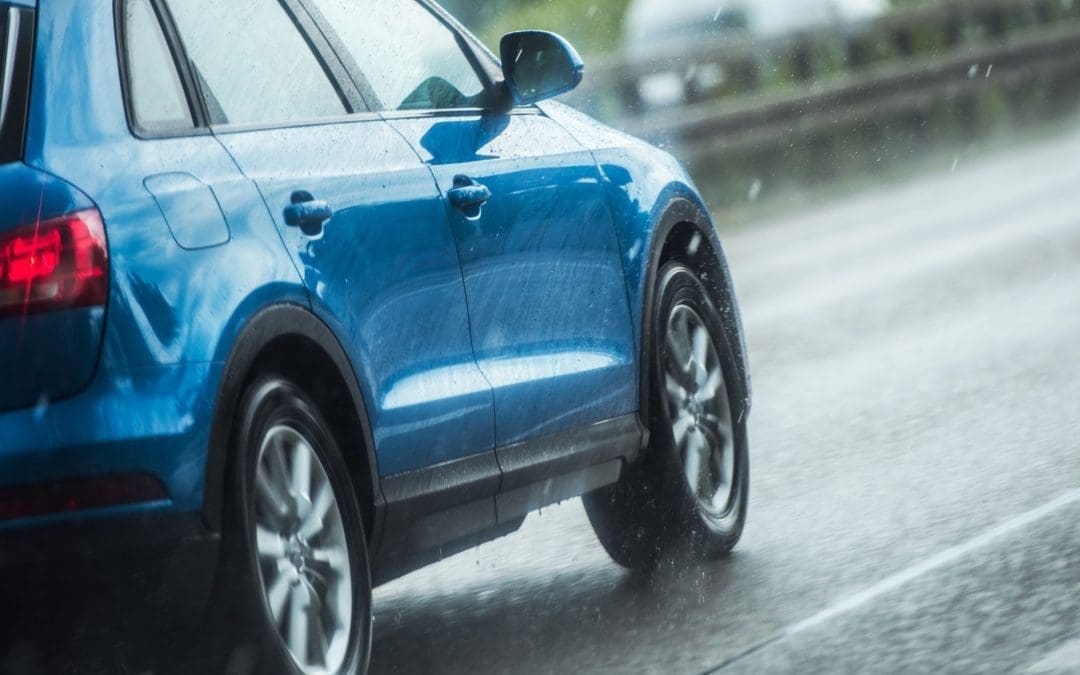
When it comes to vehicle safety, the condition of your tyres is one of the most important — and often overlooked — factors. At Hi-Speed Tyres, we believe every journey should be as safe and comfortable as possible. That starts with tyres that are properly maintained, correctly inflated, and suitable for your driving needs.
Whether you’re commuting to work, heading off on a family holiday, or navigating wet UK roads, tyre safety should never be an afterthought. This guide explains everything you need to know about keeping your tyres safe, legal and performing at their best.
Why Tyre Safety Matters:
Tyres are the only part of your vehicle that makes contact with the road surface. They directly affect:
- Braking performance
- Steering and handling
- Fuel efficiency
- Ride comfort
- Resistance to aquaplaning
Worn or damaged tyres reduce grip, particularly in wet or icy conditions, and significantly increase stopping distances. In severe cases, they can cause blowouts and loss of vehicle control.
Legal Requirements in the UK
In the UK, tyre condition is governed by strict legal standards:
- Minimum tread depth: 1.6mm across the central three-quarters of the tyre and around the entire circumference
- Tyre age: There is no general legal age limit for car tyres, but rubber deteriorates over time. Many experts recommend replacing tyres after 6–10 years
- No visible damage: Cracks, bulges, cuts or exposed cords make a tyre illegal and unsafe
Driving with illegal tyres can result in fines, penalty points and even invalidated insurance.
How to Check Your Tyres
Regular checks can prevent costly and dangerous problems.
1. Check Tread Depth
You can use a tread depth gauge or perform the simple 20p test:
- Insert a 20p coin into the tread groove
- If the outer band of the coin is visible, your tread may be below the legal limit
Even if your tyres are legal, replacing them before they reach 1.6mm improves safety — especially in wet weather.
2. Inspect for Damage
Look for:
- Cracks or cuts in the sidewall
- Bulges or blisters
- Objects such as nails embedded in the tread
Any of these issues should be checked by a professional immediately.
3. Check Tyre Pressure
Incorrect tyre pressure can:
- Increase fuel consumption
- Cause uneven wear
- Reduce braking efficiency
- Increase the risk of tyre failure
Check your tyre pressures at least once a month and before long journeys, following your vehicle manufacturer’s recommendations.
4. Look for Uneven Wear
Excessive wear on one edge of the tyre may indicate wheel alignment or suspension problems. Addressing these early can extend tyre life and improve safety.
Tips for Maintaining Tyre Safety
Rotate Tyres Regularly:
Rotating tyres between axles promotes even wear and helps maximise their lifespan.
Wheel Alignment and Balancing
Poor alignment affects handling and causes rapid, uneven tread wear. It’s advisable to have alignment and balancing checked at least annually.
Avoid Overloading
Exceeding your vehicle’s recommended load capacity puts unnecessary strain on tyres and increases the risk of failure.
Choose the Right Tyres
Select tyres that match:
- Your vehicle manufacturer’s specifications
- Your driving style
- Typical UK weather conditions
Using the correct tyres ensures optimal safety and performance.
Seasonal Tyre Considerations
UK weather can be unpredictable, so tyre choice matters:
- Summer tyres offer strong performance in warm, dry conditions
- Winter tyres provide improved grip in cold, icy and snowy weather
- All-season tyres deliver balanced performance year-round
Choosing tyres suited to the season enhances safety and control.
When Should You Replace Your Tyres?
- Tread depth approaches 1.6mm
- There is visible cracking, bulging or damage
- The tyres are ageing and showing signs of deterioration
- You notice vibration or steering instability
Prompt replacement reduces accident risk and can improve fuel efficiency.
Trust Hi-Speed Tyres for Your Safety
At Hi-Speed Tyres, your safety is our priority. We offer:
- Professional tyre fitting and balancing
- Wheel alignment services
- Expert guidance on tyre selection
- A wide range of tyres for cars, 4x4s and vans
If you’re unsure about the condition of your tyres, contact us or visit us for a professional inspection.
Safe Tyres Mean Safer Driving
Maintaining your tyres isn’t just about meeting legal requirements — it’s about protecting yourself, your passengers and other road users. Regular checks, proper maintenance and timely replacement make all the difference.
Drive with confidence. Drive safely. Choose Hi-Speed Tyres.